

spot_img

Invest In Yourself: How A Day Planner Can Help You Manage Your Time

Life can be overwhelming. Being handed deadlines by a client, coworker, family, etc., can be difficult to handle. 

It’s easy to let those things lead you to make poor decisions. 

You may work on a project only to find that it isn’t good enough or withdrawal becomes an option. 

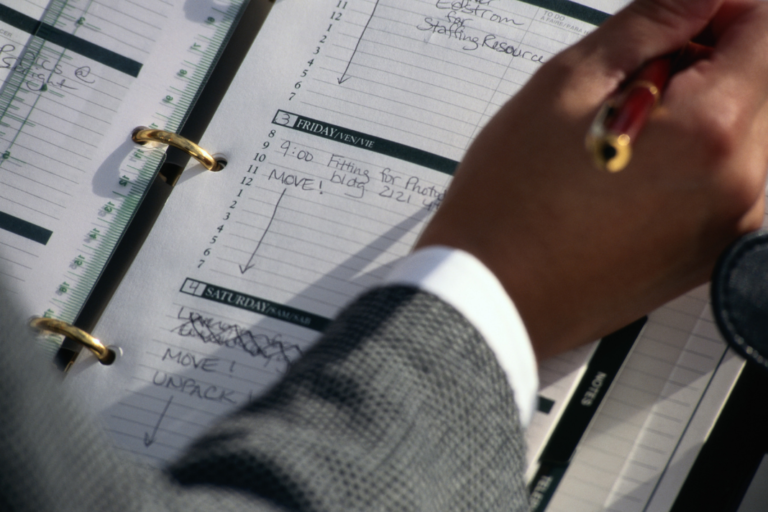
But have you ever considered using a day planner as a time management tool? 

If not, I recommend it. 

This is a great time management tool designed to help you organize your life. 

It forces you to plan your week so you don’t over-schedule yourself. 

I rely on a day planner heavily and it has helped me become more productive. So how can a day planner help you?

First, you need to understand why you need a day planner.

Many people underestimate the importance of a day planner. 

Without one, it can be difficult to remember what you need to accomplish each day. 

If you are productive but lack focus, a day planner can help. 

It can help you stay focused by outlining what needs to be done and when due dates fall. 

Rather than jumping from task to task without an overall plan, you’ll be more productive when working with a day planner. 

It could also be helpful for understanding your needs and wants, as well as brainstorming ways you can improve in general

Second, how to use a day planner and what it should be used for. 

To use a day planner, you should have clear goals for each day. 

What is the purpose of the day planner?

To help organize your day ahead, it should help make decisions easier. 

It’s a great way to structure your week to ensure you get everything done. 

For example, you may allocate time for activities like spending time with family and friends, work on important projects, events, attending meetings, ‘me time’, and making other unplanned time commitments. 

So, when you look at your list of tasks for the day, you can determine what each should be doing so you don’t waste time doing things that won’t improve your progress toward completing other projects. 

Also, you may find that using a day planner can help you prioritize. 

For example, if you have a lot of tasks but can’t decide which one should take priority, create a list of priorities for each task, making the list in order of importance. 

Conclusion: 

If you’re looking for a way to be more productive, consider using a day planner. 

It doesn’t have to be expensive; I bought mine at my local CVS. You can also download free planners from the websites I mentioned in my previous blog post, Your success journey: Why it’s important to assess how you spend your time; click here to read.

In this blog post, I covered how a day planner can help you manage your time and take back control of your busy schedule. 

If you want to inspect how you’re spending your time, be sure to read my article, Want to know how much time you’re spending? Try this activity.

Do you have any questions about using a day planner? What methods have you tried to manage your time? Let us know in the comments!


Want To Know How Much Time You’re Spending? Try This Activity

Do you know how much time you’re spending on each task? I mean, really. Do you know? 

With the ever-increasing pace of life, it’s hard to keep track of how much time you’re actually spending on various tasks. 

Because of this, it’s easy to get frustrated and just give up on trying to improve yourself or get things done. 

But here’s the thing; you don’t need to be an expert in everything to know that keeping track of your time is important. 

In fact, if you don’t know how much time you’re wasting, it’s easy to set reminders or make phone calls to yourself so you can pay attention to the things that need your attention.

Have you ever been caught up in the ‘rush’ of doing something new and exciting, and then

committed to a task only to realize later that it’s taking longer than expected? 

This happens to most of us at one time or another. But it doesn’t have to be this way. 

There are some simple steps you can take to free up time and also make sure you are getting the most out of your time. This blog post is going to focus on a simple activity you can use to manage your time. 

Now, there are many ways you can spend time-tracking, and a lot of cool software options out there. 

However, at the heart of it all, there’s an idea that needs to be communicated. 

How much time do you spend on each of your important tasks and how much time do you spend on each of your less important tasks? 

These are your baseline numbers, and they’ll serve as a guide for how much time you need to allocate to each goal; and whether you’re reaching your limits.  

This will give you a sense of how strong a priority it is and establish if it’s important enough to be part of your top priorities. 

Try this exercise:

  • Make a list of all the tasks that require your participation over the next week

If your participation is expected weekly. Identify the action each task requires and list any supporting documents. 

I’ve found that an effective way to manage your time is to write every task that needs to be done. (And even better, make a detailed description of each task on a sticky note which you can refer to frequently.) 

  • Note how long you spend on each task

Keep a running total of how long you take to complete tasks on each project. 

When you start a new task, note the time it’ll take you to complete that task and any additional tasks that need to be done.

When you complete the tasks, note the time it took. Repeat this process each week. 

  • Look for patterns for your time spent

Using a planner or a notebook, you can track

  • Who did what when? 
  • When was it started?
  • How long did it take? 
  • Did anything get done late/before the deadline? 
  • Are there any loose ends that need tying up? 
  • When is the best day to do this? 
  • Is it useful to ask someone else to help with a project?

For example, if you typically work on your computer between 9 am and 5 pm, look at your notebook or planner and see where you spent the first hour. 

Was it sitting in bed or in your office? Did you take calls during lunch or read reports while sitting at your desk?

  • Which tasks do you take the least amount of time and which tasks do you take the most

Once you have a handle on how much time you’re spending on various tasks, it becomes easier to identify which activities you need to prioritize. 

Let’s say you work on several activities at once and it takes 45 minutes to an hour for each one to complete. 

That means at the high end, you could spend an hour each day on tasks that aren’t specifically time-consuming. 

At the low end, you could do things like checking email or Facebook in between working on important tasks.

  • Circle or highlight (or both!) your top three most important tasks and create a system to complete them first each day.

Looking at your list of top-priority tasks, look for opportunities to get started on them today. 

The system you create could be something simple, like having a stopwatch or timer set for each task. 

It could also be more involved, such as scheduling a meeting or time for an activity roundtable discussion at a certain time and place. 

You can use apps like Toggl or RescueTime, which allows you to track your time. However, there are many timekeeping apps you can download for free on your smartphone; please do your own research to see what works best for you. 

I use an app called Focus Keeper. There’s a free and paid version. The free version allows you to track the time of up to three tasks. With the paid version, you can track unlimited tasks for $5.99/year. The default timer is 25 minutes, however, you can adjust it to fit your needs. 

 Conclusion:

If you’ve been looking for a way to track your time, hopefully, we’ve given you some ideas of how to better manage your time. 

The goal is not just to see where we can cut back, but also to identify patterns that can help us better understand our strengths and weaknesses so you can carve out more free time in your own schedule without sacrificing quality work or productivity. 

What was your biggest takeaway from this blog post? Was it something specific about timing such as “I need to stop doing x” or did it prompt some other thoughts related to organization? Leave us a comment below!

Why You Need An Effective Action Plan For When You Feel Overwhelmed

Welcome, spring is here again! It’s been a long, cold, and dark winter. Many of us have felt the strain of winter. 

It’s time for a rebirth! The first quarter of the year is almost gone

Are you on track with your goals? 

It’s been one year since I began working from home. With the changes in work styles, projects, and the struggles of work-life balance, I’ve been feeling overwhelmed. 

So, I thought I’d touch on this topic and share what’s helped me to stay balanced. 

You know that feeling when you have so much going on at work, and then you get home and there are 10 more things to do? It’s overwhelming. 

Your head is spinning, but no matter how hard you try to focus on one task, the other thoughts keep coming back in. The worst part is, it seems like nothing gets done!

Every day we come up with a plan of action for what we want to accomplish or what needs to be done – from our personal life plans down to our weekly work schedule. 

But why don’t we have an effective action plan for when we’re overwhelmed?

An effective action plan is the foundation of success in any endeavor. 

In this article, I’ll share 3 simple, but effective techniques you can follow today to make your action plan for those times when everything feels too much.

How many times today, or this week have you felt overwhelmed with work and thought, “I don’t know where to start?” Or how about when you were too busy to take care of yourself? 

Maybe it’s been a few days since you’ve exercised. Perhaps your diet has been less than stellar.

We all feel that way at one point or another, but we can’t let the feeling overwhelm us. We need an effective action plan!

Start with your short-term goals

I’m convinced that planning is the key to success. 

And there’s no better way to plan than by defining your short-term goals. Losing focus on your long-term goals can ruin your day-to-day progress.

However, short-term goals allow you to take small steps towards your ultimate goal. 

When you set short-term goals for yourself; it’s much easier to achieve them. 

Planning how to achieve today’s goals is better than never planning at all! 

Imagine how much happier you would be if you knew exactly where you were going on any day? 

Imagine hitting “go” on a project today (even if it’s not something you’ve set as a priority) and knowing it was all down to that one successful afternoon.

When you break or re-prioritize your short-term goals into manageable chunks, you eliminate most of those meetings and projects that are holding you back.  

So, start breaking down each day into attainable chunks – from morning rituals and evening routines all the way through lunchtime planning – so that everything feels less chaotic. 

Try the following tips

  • Divide your day into morning, afternoon, evening. Plan your day the night before.
  • Create a list of tasks for each chunk of the day. 
  • Plan out what you want to accomplish in that time period and set goals for yourself. For example, write 3 small achievable goals for the day. 

Use a Timeline  – This will help you identify what you can tackle now vs later 

A timeline can allow you to target your projects more precisely in terms of time allocation. 

It does this by categorizing tasks by their priority and giving you a sense of when you might need to work on them. 

For example, if you’re working on a meal plan for tomorrow and you’re struggling to come up with an action item (such as “call the electrician”), then you might find it helpful to create a “priority task list” that breaks down the tasks by how much time they’re likely to take. 

Conclusion:

When you feel like there’s too much to do and not enough time, it’s difficult to know where to start. 

It’s easy for the day-to-day tasks of life to overwhelm your mind when you don’t have a plan in place. 

But once you create an actionable plan, each task is small and manageable—it feels less overwhelming and more achievable than before! 

This feeling of accomplishment will motivate you even more so that tomorrow becomes easier as well. 

You might actually look forward to tackling some things on your list because they are no longer daunting or scary but exciting challenges with clear steps towards completion. 

In order for this process to work effectively though, I recommend breaking down your goals into short-term and long-term ones. 

Then set a timeline for how much time you’re willing to spend on each goal at any point in the day or week. 

This will help you identify what should be tackled now versus later so that we don’t become paralyzed by our own overwhelm! 

What I want you to know is that there’s always time for success! The key isn’t how much time we spend working or committing; it’s in what we do with our time.

Remember, an effective action plan is the difference between being busy and being productive. 

To get started today:

  1. Take a deep breath 
  2. Write a list of your goals both short and long-term
  3. Divide them into broader categories
  4. Brainstorm all the tasks you want to accomplish in a day
  5. Define the time and order of importance for each task so it’s clear how much time each task will take and when it should be completed.
  6. Create a timeline to keep track of your progress
  7. Follow your plan!

Your Success Journey: Why It’s Important To Assess How You Spend Your Time

What are you spending your time on? Do you find that you’re constantly busy with small tasks that don’t actually move your projects, business, etc. forward? Are you spending too much time on non-value added activities? 

If you want to know what you’re capable of, or where your weaknesses are, assess how you’re spending your time. 

For most people, this is a painful process. And for some, it’s impossible. 

But, if you can do it honestly and objectively, without too much personal bias, it can help reveal certain patterns in the way you think and act that may hold you back. 

You can see the areas of your life you’ve neglected because of overextending yourself in other areas.

For example:

You work 60+ hours per week, have 2 children, spouse, and other activities to attend. 

It seems impossible to be successful without making time for yourself, your to-do list can crowd out everything else. 

You start the day with a bunch of projects on your mind: work, household chores, home renovations all seem urgent. 

And, before you know it, you’ve spent most of your waking hours taking care of those projects, making no time for yourself. 

Life can get crazy busy, but you don’t need to lose sight of your goals. 

Sometimes, you have to put in that extra effort to make time for yourself. 

Schedule some time every day to reflect on your goals. This is how you can find meaning and fulfillment in life.

Unfortunately, I can’t tell you how to carve out more time for yourself each day because we all have different life circumstances to manage. 

For me, the solution is understanding that even if I only have time for 15 or 30 minutes of “me time” each day, that time can be enough to recharge my batteries and set the right priorities for the rest of the day.

To get started, try this:

As you approach each day, ask yourself, “How am I going to spend my time today?” Really ask it. 

The answer to this question will reveal a lot about where you’re spending your thoughts, time, and energy. 

Ask it again at the end of the day.

Take some time to reflect on that and be honest with yourself. 

This will tell you which areas of your life are lacking attention. 

It can also give you insight into which activities have been most satisfying during the day. 

With this exercise you want to identify:

  • What you spend your time on.
  • How much time you spend doing those activities.
  • Do those things match your priorities?

Conclusion:

Remember, you are the CEO of your life. 

If you want to know what your goals are, or where you need improvement in your life, it’s important that you assess how much time you spend on different activities. 

You should be mindful of when and why you’re spending your time, as it plays a significant role in how productive you are on your journey to success. 

I’m challenging you to:

  •  Ask yourself, “How am I going to spend my day today?” Really ask yourself this question, so that you can make sure every minute counts for something productive.
  • Invest in a day planner. Or, download some free daily planner templates from websites like Day Designer, TemplatesLab, OnPlanners, etc. Along with setting clear goals and objectives throughout the week (or month), creating an organized schedule helps keep things running smoothly while staying focused on what matters most.

If you want to learn more information about using a day planner for productivity, be sure to read “Invest in Yourself: How A Day Planner Can Help You Manage Your Time” or click here

We hope this blog post has been helpful! Leave a comment on how you spend your time. 

Why You Need to Learn How to Prioritize if You’re Having Trouble Focusing

Have you ever been stuck in your work and had a hard time focusing? It can be having more on your plate, having long hours at the office or even getting frustrated in the morning. 

Sometimes you feel unmotivated and devoid of ideas. You can stop the feeling by learning how to prioritize your tasks.

Prioritizing is a pivotal step in keeping our minds focused on our work. 

A task at hand doesn’t always mean that it deserves top priority over another task, such as saving for a new car. 

The key to thinking strategically about your daily tasks is practicing taking small steps toward completing a task instead of jumping straight to the next thing. 

By taking small steps toward completing small tasks throughout the day, you’ll feel more accomplished.

Here are a few ways you can prioritize if you have trouble focusing on your work and time management. It’s time to stop losing sleep and prioritize solving problems.

Make a to-do list

One challenge that goes hand in hand with having a very busy schedule is being able to prioritize your tasks. This can also be difficult when you’re forced to juggle more than one thing at a time.

So, before you work on your projects, get rid of all the other things on your mind. 

Leftovers from a previous project, or unfinished projects from the past; these unhelpful items clutter your brain which makes it difficult to concentrate on your work.

Getting a head start on anything takes discipline. And here’s why having a to-do list makes you more productive: I’ve learned that your ability to focus is very much linked to your ability to get organized. 

It’s the same reason I write everything you need to do in advance so you have no excuse not to do it. 

As the saying goes, “if you can’t concentrate, you won’t accomplish anything.” Therefore, being organized can help you stay focused and get things done.

When you keep a list of your tasks, it is easier to stay motivated and maintain good work habits. It can also help you get the most out of your day, which increases the quality of your work.

Use the ‘rule of three’ to focus on your top three priorities.

The rule of three is a productivity hack that helps you get stuff done and makes it easier to prioritize tasks in your life.

The rule says you should tackle tasks in increasing order of difficulty: (1) easiest first, (2) harder but more important tasks and finally (3) the ones that give you less energy and enthusiasm. 

For example, if you have a hard time focusing on that email, it’s probably best to shift your focus to something else – like writing an article or enter that data  – and then wrestling back the motivation to finish the email.

I’ve found that although we’re all guilty of multitasking, sometimes we can get caught up in the “I have to do this and then that” thinking and end up neglecting other important tasks. 

I recently experienced this at work where I had to clear my calendar for almost two weeks, and work from Monday to Saturday lacking sleep. 

I could not successfully tackle my most important projects during those scheduled working hours. 

However, by implementing the “rule of three” I could focus on my vital tasks instead of allowing them to fall through the cracks.

Determine the level of focus needed to complete each task

Prioritization is more important for tasks that demand your full attention. Here are some things to keep in mind. 

Paying attention to details may reduce stress while also helping you form better habits – staying on task, staying focused. 

If you find you are struggling to focus and commit to a task, try looking at your commitments over a two-day window. 

Deciding early on which tasks should be part of your day will help you become more productive and perform at your best every time you work on a project. 

For example, if you’re working at the office on Monday and have to go to the gym on Wednesday, the second task might be to write the tasks you need to complete on Friday. This strategy may feel more manageable if you have some tasks completed by Thursday and Friday. 

Conclusion:

If you’re having trouble focusing, it’s time to stop losing sleep and prioritize solving the problem. 

Prioritizing is a skill that’s extremely useful for anyone who works in an environment where interruptions are common and deadlines are looming.

Schedules, appointments, emails and other daily distractions can become overwhelming quickly. 

We’ve provided a few ways for you to get started with prioritizing your work so that nothing falls through the cracks and everything gets done efficiently. 

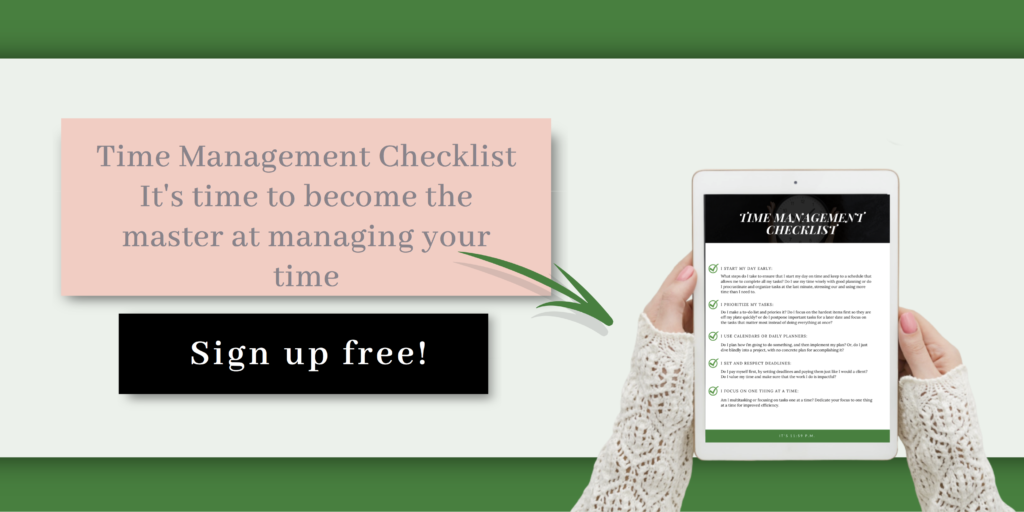
We recommend you try the three methods mentioned above. You can also use our free time-management checklist if you need help to get started!

Have any of these methods worked for you? Let us know in the comments section!